Handcraft
The Helsinki Finnish Adult Education Centre's course selection of handcraft includes textile and technical work (woodwork) as well as special craft techniques. In handcraft courses, you will learn skills and working methods, design and creative expression, both modern and traditional techniques in an inspiring group, without forgetting individuality. You will learn and get a-ha moments in an appreciative environment. You will get feedback for your work while experiencing joy and success.

Get hooked on handcraft
You can study for a few hours or for an entire semester – mainly in a classroom setting, but also through distance learning or hybrid teaching. For longer-term study, you can study dressmaking, patchwork, weaving, machine knitting, woodworking, and other skills at various skill levels. The basic courses (level 1) introduce you to the subject, and you can continue with follow-up courses (levels 2–4). Your skills will develop best in a course at the right level for you. Multi-year study modules also offer the opportunity to develop the skills and abilities needed in your profession.
The classrooms are equipped with the necessary machines and a wide range of tools, so you can start a hobby without having to make any major purchases. Each student is responsible for purchasing their own materials for their works. Recycled materials can and should be used. The Helsinki Finnish Adult Education Centre does not insure students against accidents; each student is responsible for their own insurance coverage.
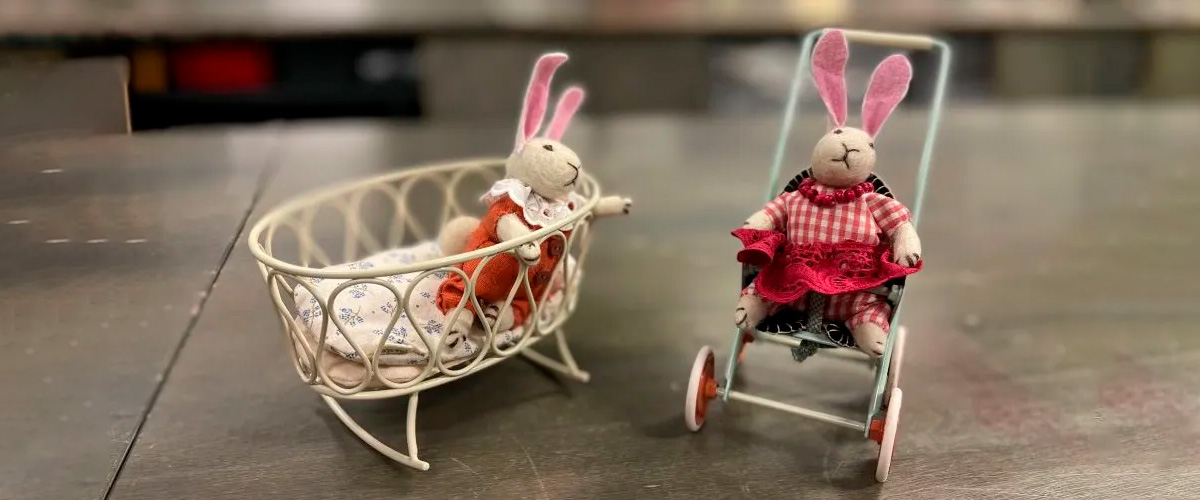
Read our handcraft blog
Read our handcraft teachers’ blog posts in our Finnish blog Opistosta käsin.
Teaching objectives
The overall objective of handcrafts education is to learn handcraft skills, which is divided into the following objectives:
Designing handcraft products: Students observe their environment and use their observations as a starting point or part of their design. They learn to design products they like from various starting points, such as needs, materials and sensory experiences. They learn different design methods and how to visualise a design.
Creative problem solving and expression: Students understand and comprehend the stages of the handcraft design and manufacturing process. The goal is to increase and apply skills and knowledge and to develop personal expression. Students experience joy from working with their hands and from the finished product or work.
Technology and occupational safety: Students become familiar with craft techniques and working methods. They learn to use tools, machines, and equipment safely and become familiar with their maintenance at home. They learn to make informed decisions about materials, methods, and tasks with the aim of producing a high-quality product or work of art.
Knowledge of materials: Students learn about different materials through theory and practical work. They consider the use and care properties of materials, safety factors, and manufacturing methods. They reflect on their work and choices from the perspective of sustainable development and ecology. They are encouraged to recycle materials.
Assessment and reflection on learning: Students learn to assess and reflect on their own work process, the products/works they have created, and their level of competence. Understanding their own learning style supports the setting and achievement of personal goals. 65 Helsingin työväenopisto
The following goals also support the learning of handcraft skills:
Cooperation and well-being: Among adult learners, emphasis is placed on utilising the diverse skills and life experiences of the group and on peer learning. Students actively participate in learning situations and understand the group as a source of strength, knowledge, skills, and joy of learning. The teacher and all students are responsible for creating a supportive and encouraging atmosphere.
Handcraft culture: Students become familiar with both Finnish and international handcraft cultures. They utilise and preserve cultural heritage and apply and renew it in their own work and creations.
Skill levels
Learning handcraft skills is cumulative and often requires long-term and persistent practice. Some courses allow you to try out a working method or material, some courses are suitable for beginners, and some require students to have more diverse craft skills. The courses are divided into skill levels: basic courses (level 1) and advanced courses (levels 2–4).
Level 1, the basic course, introduces the materials and tools used and teaches how to use them. At this level, we aim to stimulate the creativity, practice product design, and learn about the basic working methods.
Level 2 expands knowledge and skills in materials, tool use, and techniques. What has been learned is applied to the design, planning, and manufacture of one’s own product.
Level 3, knowledge and skills related to materials and techniques are deepened, and combining and working with different materials is tried out. What has been learned is applied to finding and developing one’s own signature style and expression.
Level 4, knowledge and skills are applied boldly and broadly to one’s own work, signature style and expression.
Study modules
In käsityön taiteen perusopetus, or ‘basic education in handcraft arts’, students are encouraged to observe, reflect on, and interpret their environment and phenomena, and to express themselves through craftwork. A specific goal of adult education is to develop students’ own means of expression, design thinking, and artistic work. The studies are divided into separate basic studies (30 credits, duration approx. 3 years) and advanced studies (19 credits, duration approx. 2.5 years).
Take a look at the Helsinki Adult Education Centre’s curriculum for the advanced syllabus for basic education in arts and crafts for adults, content in Finnish: PDF in Finnish: Taiteen perusopetuksen laajan oppimäärän käsityön opetussuunnitelma.
Hyväksi kotiompelijaksi, or ‘good home sewer’ is a three-year study program designed for adult sewing enthusiasts, in which participants make women’s clothing for themselves: a skirt, blouse, and pants, as well as a thesis project. The aim is to achieve the skills needed for home sewing, considering each person’s individual starting level and goals.
Take a look at the curriculum for the Hyväksi kotiompelijaksi study module, PDF in Finnish.
Sidoksia, or ‘weaving’ (30 credits) is a three-year study module based on fabric weaving, in which design, weaving different fabrics, and finishing them into finished products form a coherent and natural process. The products and works are designed by the students themselves, based on various assignments and the students’ own ideas and experiences. Take a look at the curriculum for the Sidoksia study module, PDF in Finnish.
Students for the group starting in autumn 2025 will be selected based on application tasks and forms. The application tasks and instructions have been published on the ilmonet.fi portal and in our blog, see the links below.
See course ilmonet – Kurssi – H255426. Haku Sidoksia-opintokokonaisuuteen.
Blog Haku SIDOKSIA-opintokokonaisuuteen – Opistosta käsin – Helsingin kaupunki. The application period ended on 14 August 2025, at 16.00
Course locations
Itämerentalo, handcrafts and woodwork classrooms. Address: Tammasaarenlaituri 3/Tallberginkatu 2 A, Ruoholahti
Kanneltalo, sewing classroom. Address: Klaneettitie 5, Kannelmäki
Malmitalo, sewing classroom, weaving classroom and wet room. Address: Ala-Malmin tori 1 B, Malmi
Maunula House, multipurpose classroom. Address: Metsäpurontie 4, Maunula
Opistotalo, The Finnish Adult Education Centre main building, textile classroom. Address: Helsinginkatu 26, Kallio
Oulunkylätalo, textile classroom. Address: Kylänvanhimmantie 25, Oulunkylä
Pohjois-Haaga branch, handcraft classroom and weaving workspace. Address: Näyttelijäntie 14, Pohjois-Haaga
Rajametsäntie 32 H, machine knitting workspace. Address: Rajametsäntie 32, end of H-building, Maunula
Silkkikutomo, textile classroom and weaving classroom. Address: Laivalahdenkatu 2b A, Herttoniemi
Stoa, textile classroom. Address: Turunlinnantie 1, Itäkeskus
Vuotalo, woodworking workspace and handcraft classroom. Address: Mosaiikkitori 2, Vuosaari
Need more information?
Wondering which course level is right for you? Subject teachers provide study guidance, help you choose courses, and answer all your study-related questions before you enrol and during the teaching period.
Curriculum for Handcraft in Finnish, pdf
Contact details for teachers (scroll down to section ‘Personnel’)